The Surprising Story Behind 'Good Gravy': A Polite American Oath
In the rich tapestry of American English, some phrases stand out for their unexpected charm and hidden history. Among these is the delightful exclamation, "Good Gravy!" At first glance, it might seem like a whimsical, almost nonsensical expression, perhaps conjuring images of a holiday feast. But delve a little deeper, and you'll uncover a fascinating journey from religious decorum to everyday vernacular, cementing its place as a quintessential American minced oath. Far more than just a culinary reference, "Good Gravy!" is a polite, family-friendly way to convey surprise, astonishment, or even mild frustration, artfully sidestepping stronger, more blasphemous alternatives.
This article explores the captivating origins, cultural impact, and enduring appeal of "Good Gravy," revealing why this seemingly innocent phrase has resonated for generations and continues to add a flavorful twist to our language.
The Culinary Roots of a Polite Exclamation
The very essence of "Good Gravy!" lies in its brilliant euphemistic substitution. Imagine a moment of intense surprise or a sudden realization. Instead of uttering a phrase that might invoke the divine, such as "Good God" – a direct transgression of the Third Commandment against taking the Lord's name in vain – American speakers found a gentler, more palatable alternative. This linguistic maneuver is part of a long and storied tradition known as minced oaths.
Minced oaths emerged in English-speaking cultures as far back as the 19th century, driven by a cultural desire to express strong emotions without offending religious sensibilities. These euphemisms skillfully replace sensitive words with innocuous ones that often share a similar sound or initial letter. "Good Gravy!" perfectly encapsulates this practice. It retains the emphatic tone of its more direct counterparts while diffusing any potential offense with the wholesome image of a beloved comfort food.
Think of its linguistic cousins: "Good grief!" (from "Good God!"), "Goodness gracious!" (from "God's Grace!"), "By Jove!" (from "By God!"), or even "Great Scott!" (likely from "Great God!"). Each serves the same purpose: to provide an outlet for strong emotion through polite alteration. The genius of "Good Gravy!" is its vivid, folksy imagery, tying the exclamation directly to the familiar, comforting world of home cooking, making it instantly relatable and widely accepted.
Where and When Did "Good Gravy" Emerge?
Pinpointing the exact moment "Good Gravy!" first spilled into common usage is, much like perfecting a roux, a bit elusive. However, linguistic studies and historical attestations trace its significant emergence in American vernacular to the mid-20th century. While earlier sporadic uses might exist, it's in the 1950s and 1960s that the phrase truly gained traction, appearing in literature, media, and everyday speech as a mild expletive.
Interestingly, the phrase is particularly documented within regional dialects, especially in the American Midwest and Southern United States. These regions, often associated with strong community ties, traditional values, and a hearty appreciation for home-cooked meals, provided fertile ground for a phrase steeped in culinary comfort. The image of gravy, a staple on countless family dinner tables, likely contributed to its folksy and approachable nature, making it a natural fit for expression within these cultures.
The phrase's evolution underscores a broader pattern in language: how everyday items and cultural touchstones become embedded in our expressions. "Good Gravy!" likely drew from this shared cultural experience, transforming a familiar food item into a verbal exclamation that perfectly captured a range of mild emotions, from delightful surprise to gentle exasperation.
More Than Just Words: "Good Gravy" in Pop Culture
The enduring charm of "Good Gravy!" extends far beyond its linguistic function. Its whimsical and approachable connotation has inspired a delightful array of cultural references, cementing its place in the American cultural landscape.
Perhaps one of the most playful examples is the "Good Gravy!" roller coaster that opened in 2024 at Holiday World theme park in Santa Claus, Indiana. This family-friendly attraction playfully reinterprets the phrase as a Thanksgiving-themed adventure, demonstrating how the phrase evokes warmth, nostalgia, and a touch of lighthearted fun. Riders get to experience the "gravy" of a holiday meal in a thrilling, imaginative way.
Beyond theme parks, the phrase has also lent its name to various establishments, such as the Good Gravy! Diner in Oklahoma City, Oklahoma. Such choices aren't accidental; they leverage the phrase's inherent coziness and promise a welcoming, down-to-earth atmosphere, much like a comforting home-cooked meal. These cultural nods highlight the phrase's power to connect with audiences on an emotional level, evoking a sense of familiarity, wholesomeness, and even a dash of quirky Americana.
This consistent reinterpretation in popular culture speaks volumes about the phrase's enduring appeal. It's not just a relic of past speech; it's a living, breathing expression that continues to inspire and entertain, especially within family-friendly and nostalgic contexts.
The Enduring Legacy of "Good Gravy"
In an age where language constantly evolves and new slang emerges daily, "Good Gravy!" has demonstrated remarkable staying power. It persists, particularly among older generations and in family-friendly environments, reflecting a preference for polite, non-offensive language. While younger generations might opt for more contemporary expressions, the classic charm of "Good Gravy!" continues to find its place, offering a distinct alternative that carries a subtle weight of tradition and decorum.
Its endurance can be attributed to several factors:
- Wholesome Connotation: Unlike many modern exclamations, "Good Gravy!" carries no negative baggage. It's inherently benign and universally understood as a mild expression.
- Nostalgic Appeal: For many, the phrase evokes a sense of nostalgia, reminiscent of simpler times, family gatherings, and the comforting sounds of home.
- Linguistic Charm: Its unique blend of an emphatic opener ("Good") with a mundane, yet evocative, food item ("Gravy") creates a memorable and distinctive expression.
- Adaptability: It can convey a spectrum of mild emotions – from pleasant surprise ("Good Gravy, look at that!") to mild exasperation ("Good Gravy, not again!").
Dialect studies continue to document its usage, underscoring its role in regional variations of American English. It serves as a linguistic beacon, reminding us how historical practices and cultural values shape the words we choose to express ourselves.
The *Other* Gravy: Culinary Artistry Behind the Name
While "Good Gravy!" as an oath implies ease or a smooth outcome, the reality of making actual gravy from scratch is anything but "all gravy." As any home cook knows, perfecting a rich, flavorful gravy can be one of the most nerve-wracking parts of a holiday meal, often made "à la minute" with a hungry audience eagerly awaiting. The tension of avoiding lumps, achieving the right consistency, and ensuring robust flavor is a genuine culinary challenge.
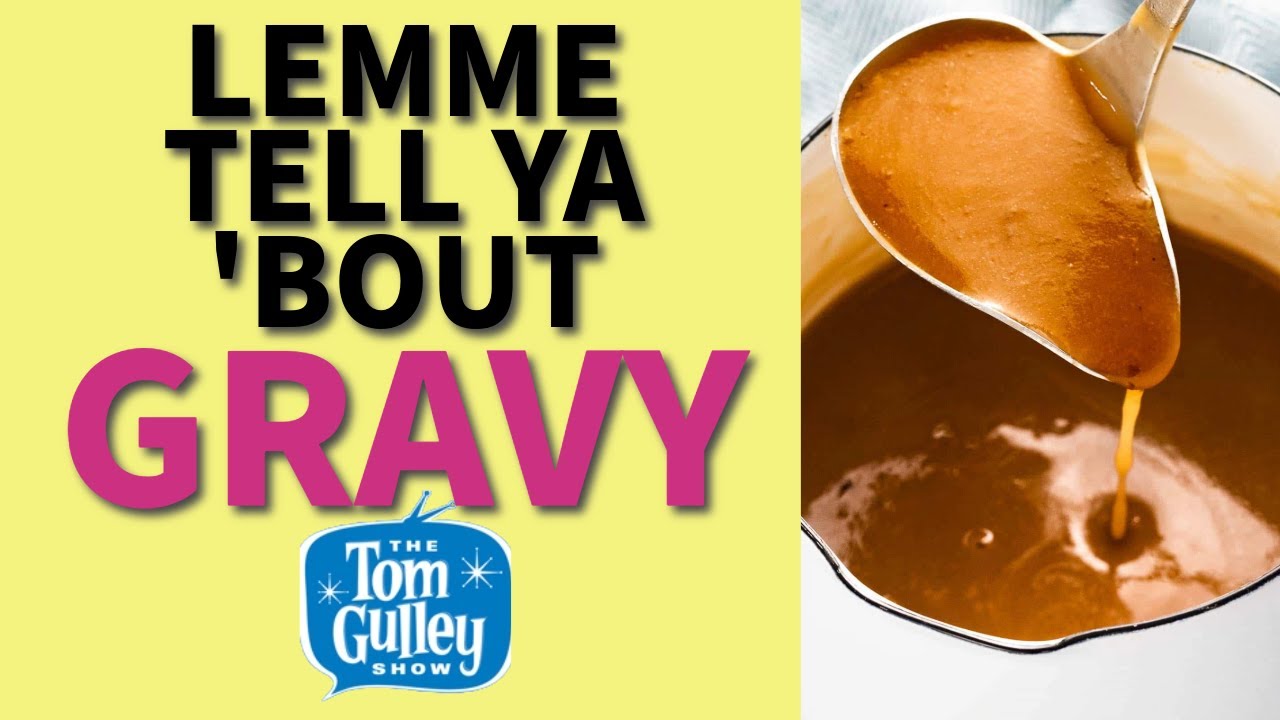
True culinary gravy, the kind that inspires a satisfied sigh, begins with the foundational elements of a roasted bird. The secret, according to top chefs, lies in the gorgeous fond – those delicious browned bits that stick to the bottom of the roasting pan. This concentrated flavor is gold. To elevate it further, many chefs recommend adding roughly chopped aromatics like onions, carrots, and celery to the pan alongside your roast. These vegetables caramelize and contribute layers of savory depth.
For the best results, a good quality stainless steel roasting pan is crucial, as it encourages even browning and the formation of that indispensable fond. Once your roast is done, deglazing the pan with a liquid like wine or broth, scraping up every flavorful bit, forms the heart of your gravy. From there, creating a smooth roux (a cooked mixture of fat and flour) before whisking in your liquid and drippings is key to achieving a silky, lump-free texture. A final strain ensures a velvety finish, ready to generously coat your mashed potatoes and turkey.
So, while the phrase "Good Gravy!" is an expression of mild surprise, the culinary endeavor it refers to is a true test of skill and timing. It's a delightful irony that adds another layer of appreciation for this unique American phrase.
Conclusion
"Good Gravy!" stands as a testament to the dynamic and often surprising evolution of language. From its humble beginnings as a polite euphemism to avoid blasphemy, it has journeyed through regional dialects, graced family dinner tables, and even inspired theme park attractions. It's a phrase that encapsulates American ingenuity, blending religious sensitivity with culinary familiarity to create an expression that is both effective and endearing.
So, the next time you hear "Good Gravy!" uttered in surprise or mild exasperation, remember the rich history simmering beneath its surface. It's more than just an exclamation; it's a delicious slice of American linguistic heritage, proving that sometimes, the most innocent phrases hold the most flavorful stories.
